
We had a wonderful and meaningful mission trip. It really left an impression on the participants—youth and adults. It opened our eyes and hearts to how important it is to serve others and we realize we probably gained more from our experience and growth than those we served.
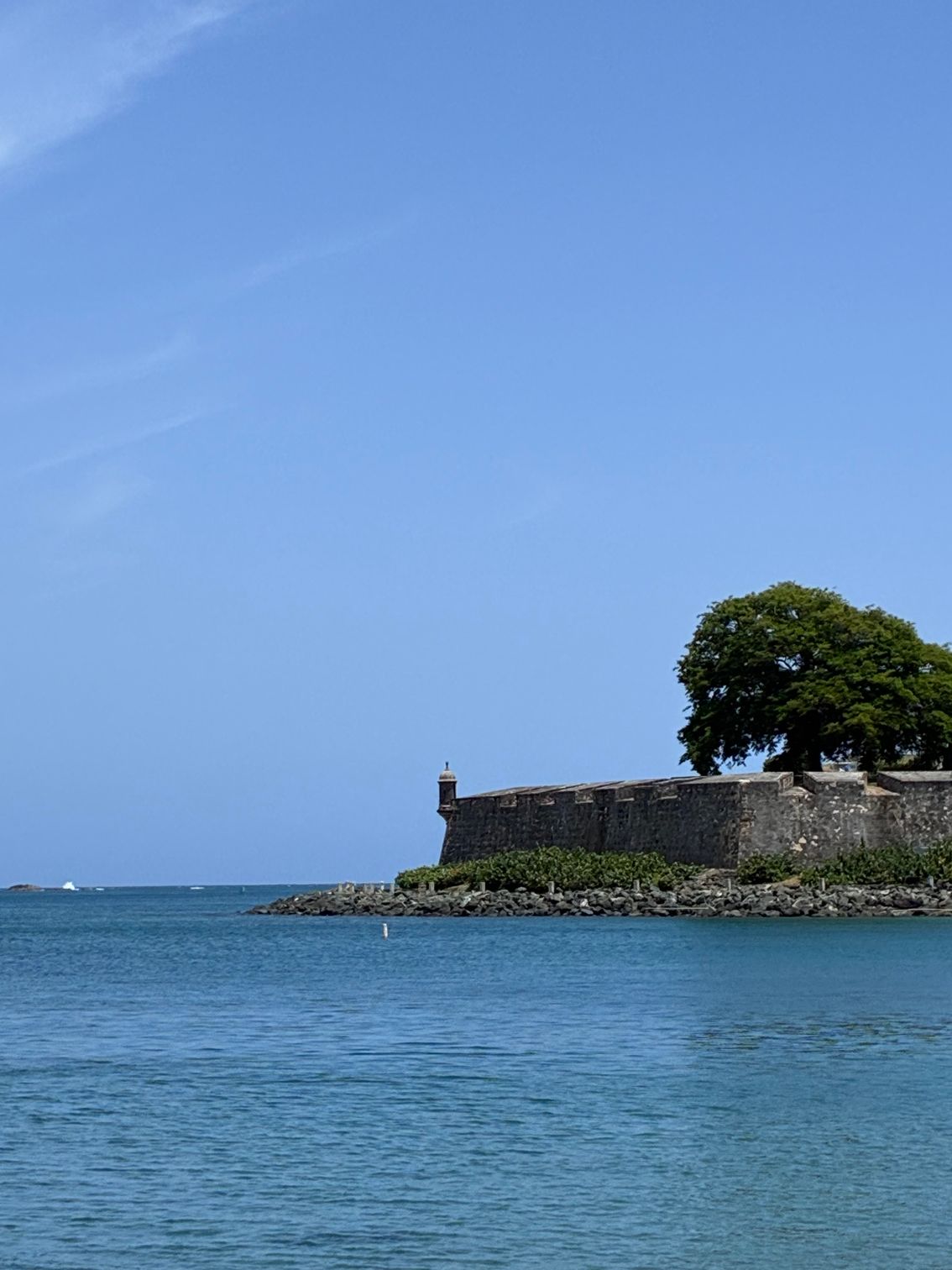
Today we woke up to no water. We couldn’t shower or wash. It’s a stark reminder of what many people in Puerto Rico and in other parts of the world are experiencing where there’s not enough water. Although Puerto Rico seems lush, they’re experiencing a drought and many of the water pipes are so old that they’ve broken. The National Guard has had to come and hand out water to many people here. It makes us realize how much we take fresh water for granted back home. At breakfast we saw Brother Gabriel, a Capuchin monk and our host at the Centro Capuchino. Then we loaded our bags into the vans and headed to San Juan to the Episcopal Cathedral. After attending the 8 a.m. English service, we joined the church community for coffee hour and they taught Father Jon how to make ginger brew—something he looks forward to drinking every time we come to this church. It was meaningful for us to celebrate Eucharist with Episcopalians from other countries. Many of them who attend the English-speaking service are from the West Indies. There used to be 2 English language services at the Cathedral, in addition to the Spanish one. But after Hurricane Maria, so many people left the island that the English-speaking congregation has dwindled and they only have 1 service. It’s shocking how Puerto Rico is still feeling the effects of Hurricane Maria, not just in infrastructure but demographically too. Many of the younger people have left the island and most of the people we help during our service projects are alone and without family here. After church we went back into Old San Juan for a few hours before our flight home.

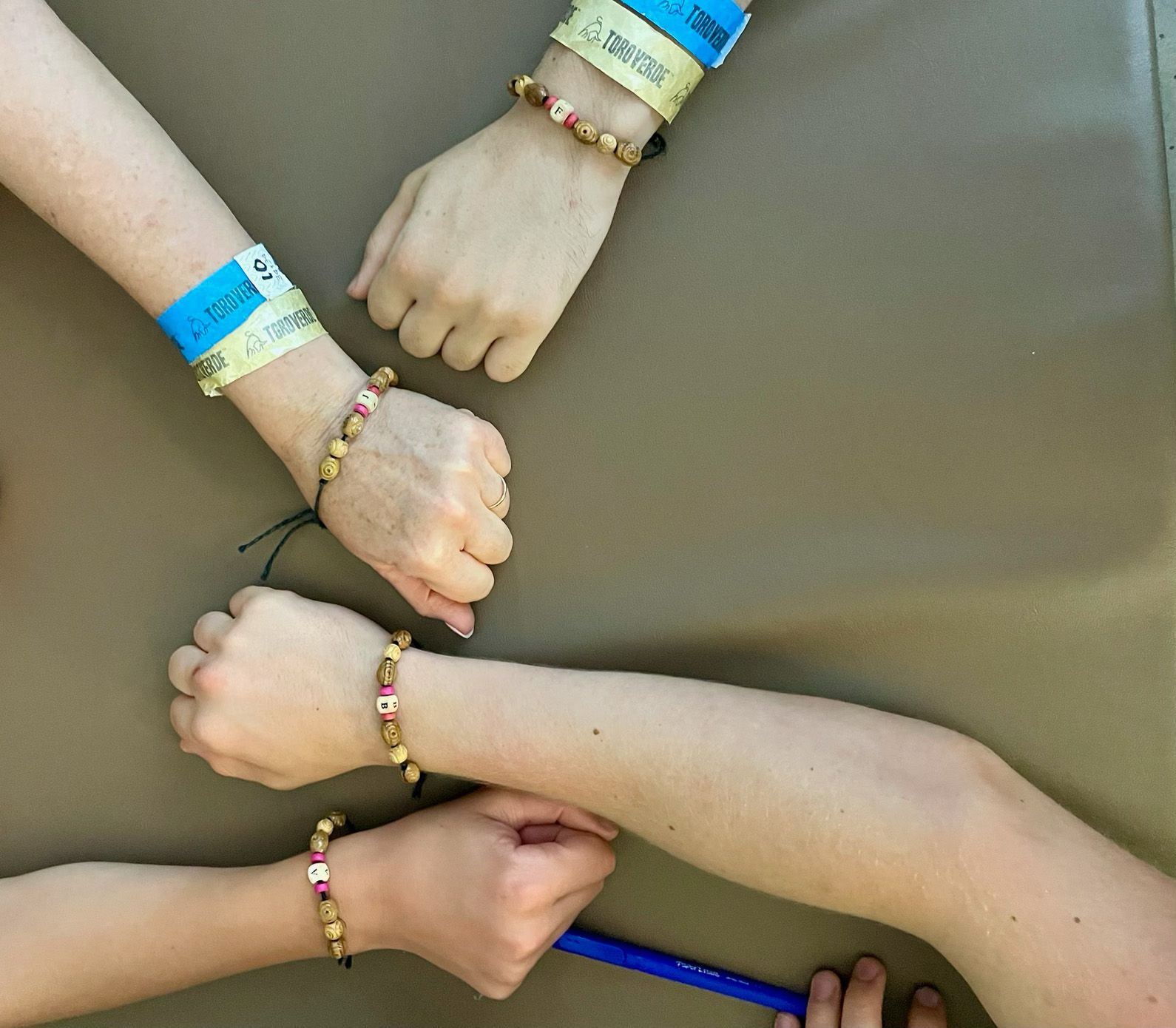
Today we went to Toro Verde, a zip lining course in the jungle. After finishing the course of 7 zip lines we then rode “The Monster”—the longest zip line in the Americas. It’s 2.5 km long (about 28 football fields long) and almost 1250 feet high. You ride in a horizontal position so it feels like you’re flying. The ride takes 2 minutes and you can reach up to 95 mph. Although the thought of going was scary and I was very tempted not to, I’m glad I did. The scenery was stunning and I felt so close to nature, like a bird as I soared over rivers and the jungle below. A good reminder that if we let our fears overtake us and we don’t step out of our comfort zone and take a chance, we can miss out on some of the most beautiful experiences of our lives. After zip lining we went into Old San Juan. We meet Brother Willy, an Episcopal Franciscan, at his church in Old San Juan. It’s beautiful and we enjoyed talking with him about the congregation and how they reach out to sailors—offering services in English every second Tuesday when many ships come into San Juan. After walking around Old San Juan for a bit we had a traditional Puerto Rican dinner of Mufungo and fish at Barrachina, the restaurant that invented the pina colada. We had non-alcoholic pina coladas too—delicious. We finished the day back at the Centro Capuchino with Compline outside.