
South Africa: Day 10+

Posted: November 19, 2026

My Fellow Beautiful People! This was how Angelo Wilson, our joyful and tireless driver, greeted us throughout the seven days we were blessed by his presence. And, for me, it will be a lasting memory—both because it embodied his spirit and because it is the people of South Africa who will linger with me long after I leave this place. 


We came on pilgrimage to discover “windows into reconciliation.” To be sure, the history here and the end of apartheid offer important lessons. But I leave here mostly with questions about the future of the people. The hard truth is that gross economic inequality and terrible violence persist in South Africa. (This country’s Gini coefficient—my favorite economic metric—is the worst in the world. It represents inequality in income, wealth or consumption.)


Fortunately, by the grace of God and the ongoing work of justice-seekers, there is also a deep dedication to making life better for those with very little income or property.


Our final two days together were spent in community with some of those justice-seekers. Thursday morning began with Eucharist at the Volmoed Retreat Center Chapel. It was a welcome respite after a very busy few days. The young men and women who participate in the Volmoed Youth Leadership Training Program sang beautifully before and during the service. And we again had the pleasure of hearing the Xhosa language, this time in a scripture reading. 

Afterword, we talked as a group about what “reconciliation” is—the things that make it possible and how to find hope when we, our governments, and our world fall short of true reconciliation. 


As Siyabongo Vonco, facilitator of the youth program, put it succinctly: “It is difficult to speak about reconciliation when economic justice needs to be addressed.”


In small group discussions, we wrestled with the hard conditions and questions that black and colored (mixed race) South Africans face every day. I was inspired by the hope the young people found through the leadership program and their motivation to do at least one positive thing: Be kind. Avoid angry people. Teach others about reconciliation. Show God’s work and trust each other. 


“I have faith and hope that things can change in the future,” said Amanda Mahlanyana, a member of the leadership program’s 2017 cohort. She is now a volunteer administrator and fundraiser for it. “Reconciliation is possible. If we work from the ground up we can make a lot of change,” she said. 


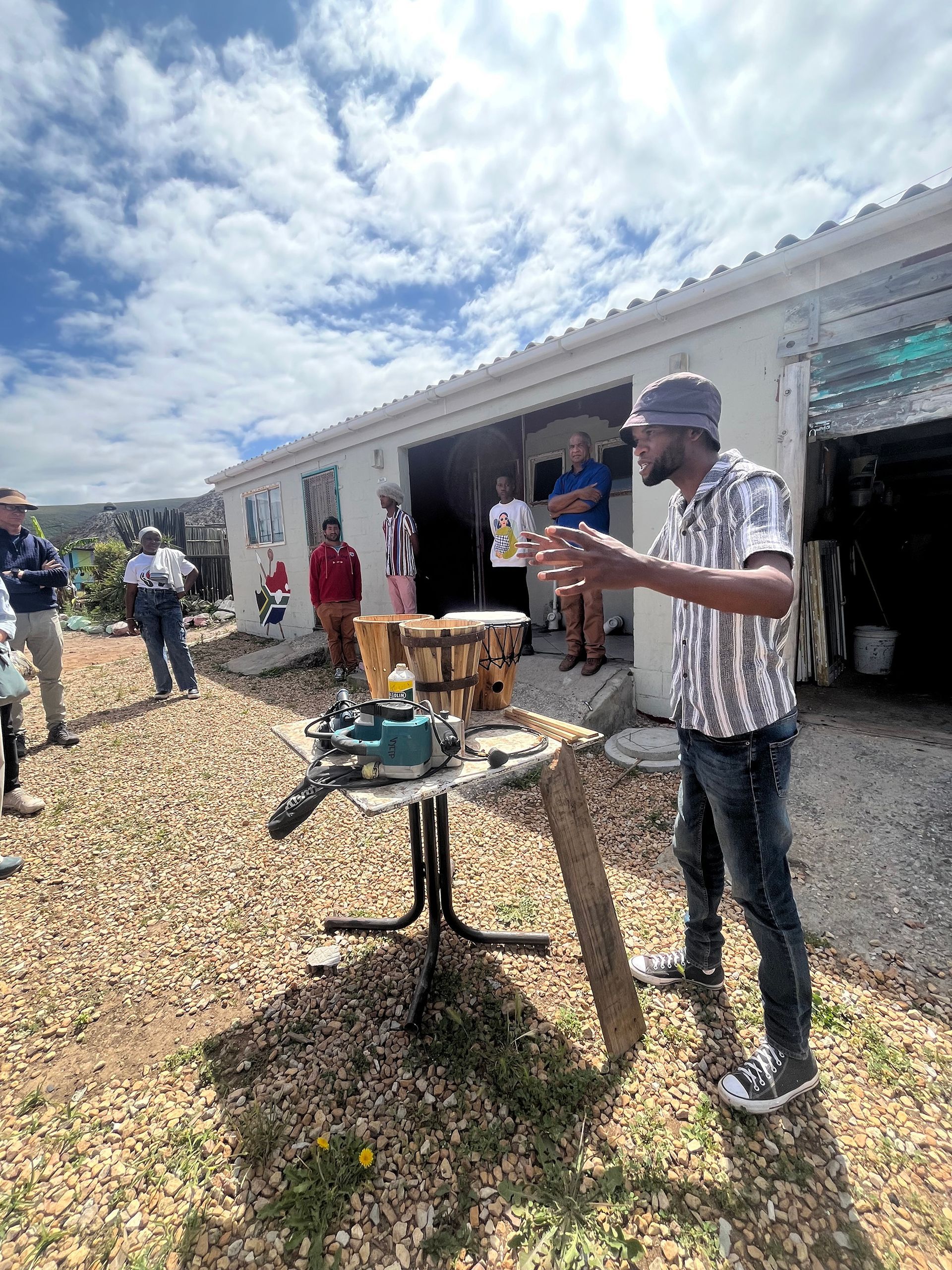
After lunch, our time with the youth concluded in a drum circle. As Edwin Arrison, director of the program, explained, drumming serves multiple purposes. It synchronizes the group, allows drummers to literally pound out their frustrations, and creates fun, joy, and beauty. We did our best to follow Siyabongo’s artful coaching and spent 45 minutes drumming away with increasing complexity and delight. Some of us were more proficient than others. But we all succeeded in understanding deeply the importance and of this shared—dare I say spiritual—experience. It was the highlight of our day. 

Thursday wrapped up with some rest, or hiking, or exploring the coast. And after dinner we had time to share scripture passages that Rev. Ann had asked each of us to choose prior to our pilgrimage and to reflect on throughout. 

Morning arrived with a burst of activity—finding new flights for all but two of us whose flight home was cancelled.


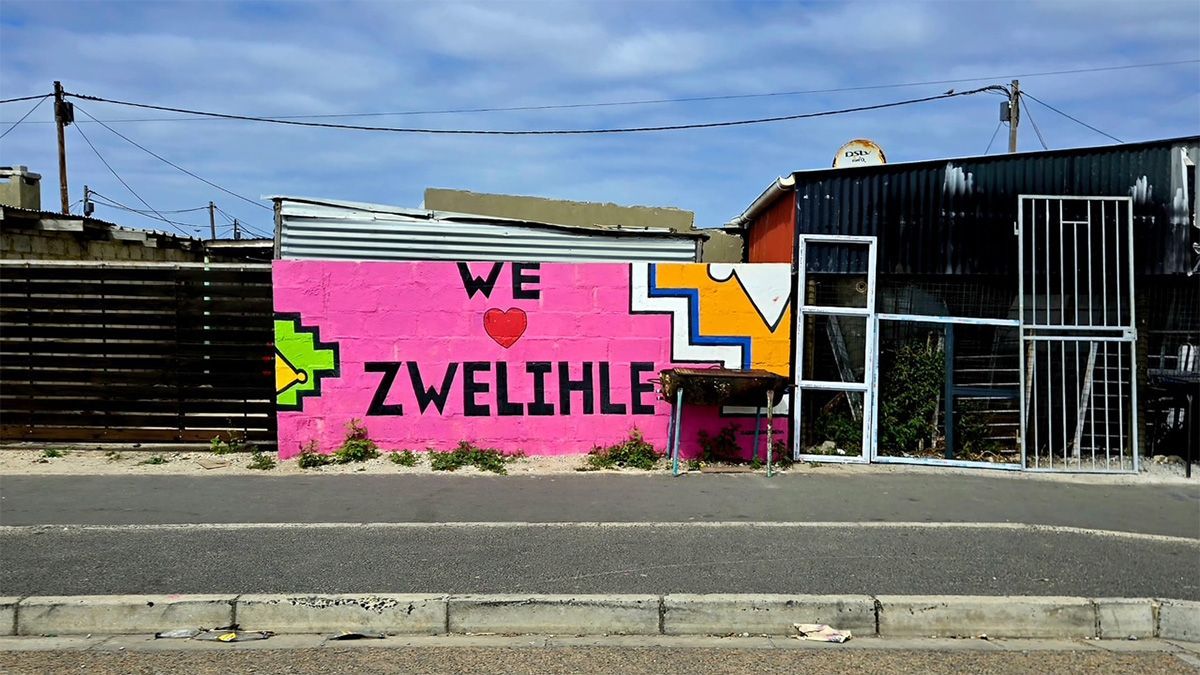
Once that blip got sorted, we were off to the township of Zwelihle, home of the youth leadership program and many of its participants.


There, the young women and men learn to make drums, and participate in other training programs, such as public speaking and marketing.


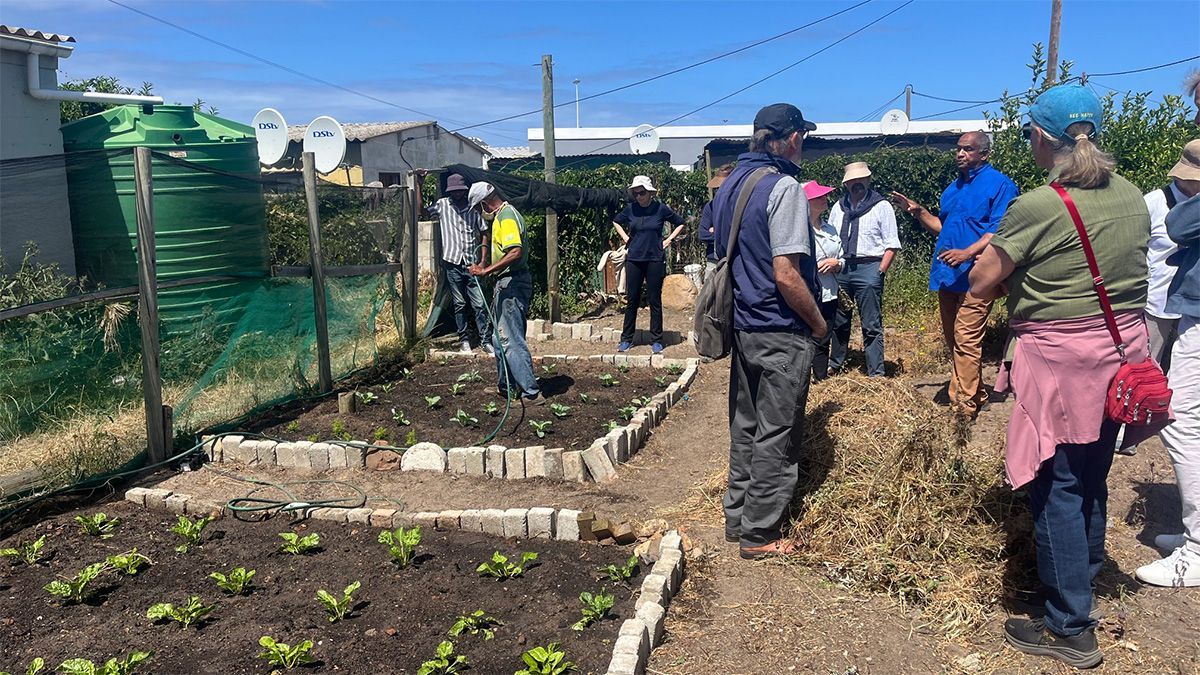
They also recently began clearing a small plot and planting a community garden—a beautiful gift for both the skills it teaches and food it provides. 

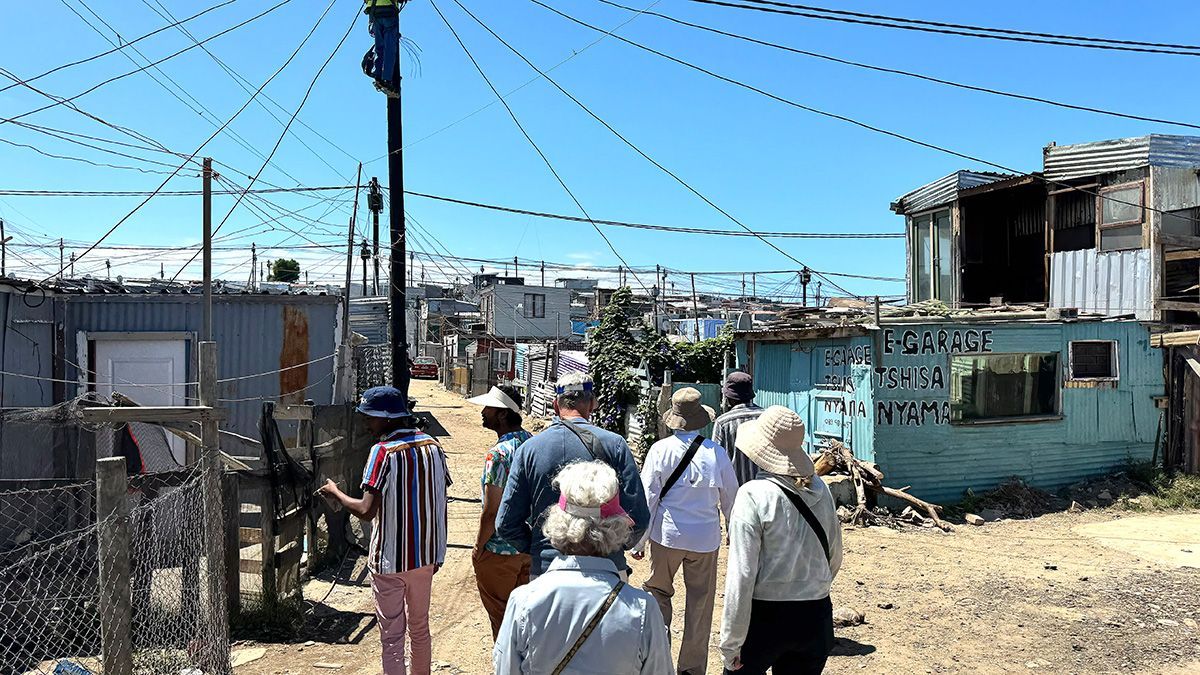
A long walk through Zwelihle with the youth further sensitized me to the extremely difficult living conditions of the poor: no running water, little electricity, few local stores, little to no transportation, alcohol and drug abuse, extortion, significant danger at night, and frequent gender-based violence. It was a humbling, powerful experience. Especially so because of the generosity and authenticity with which the young people engaged us along the way. The truth is, we were only safe because of their loving presence. 

The Volmoed Youth Leadership Program, with its loving presence, is giving the young people of Zwelihle, and neighboring Mount Pleasant, a safe space amid chaos. It’s offering the skills and confidence to hopefully land a job in a country where more than half of those under age 35 are unemployed. What an inspiring example of social justice! I will never forget the Fellow Beautiful People I met in this community. 


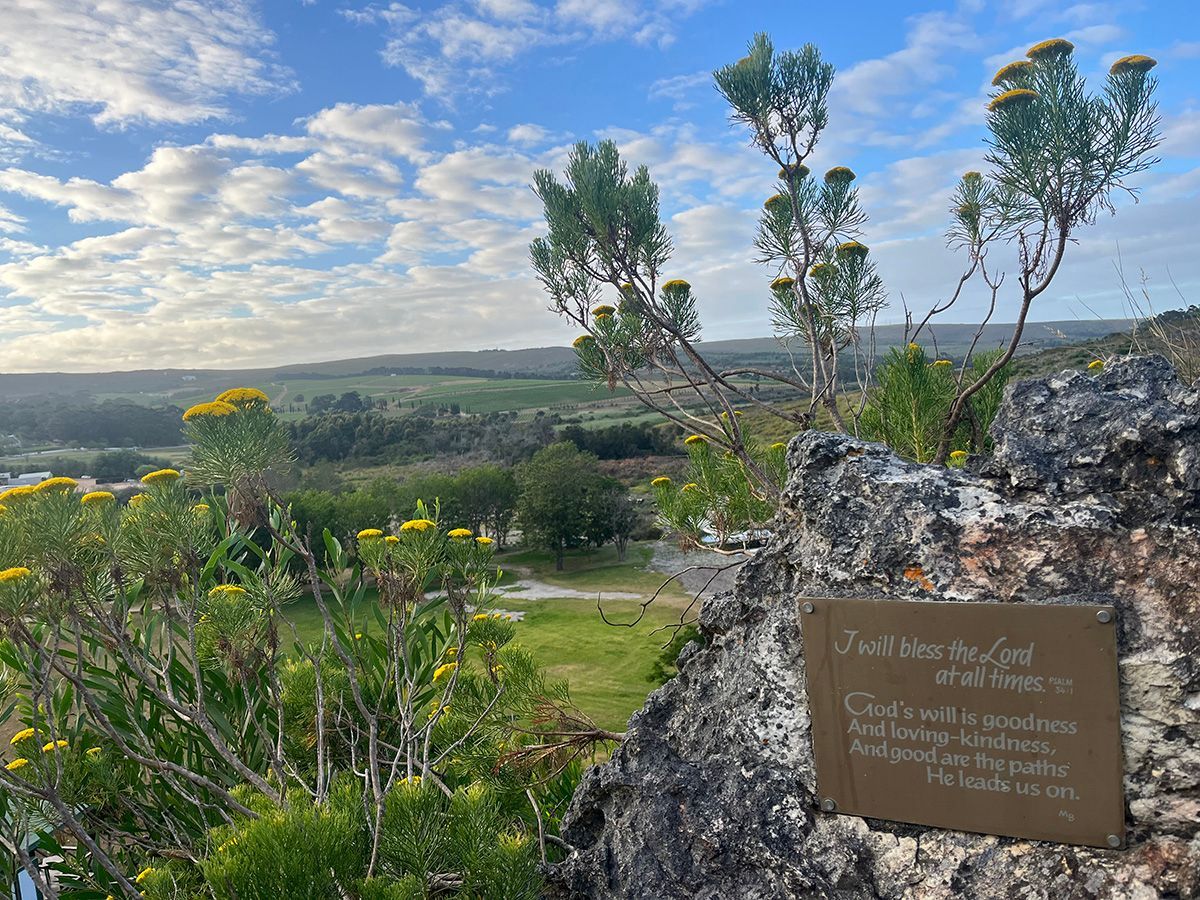
Finally, I will close by sharing a song that has been playing in my head throughout this pilgrimage: COEXIST (I Will Bless the Lord at All Times?) by U2. It’s about knowing that God is in all things, even when darkness surrounds. I’ve used it as a mantra at various times along the way. As I was hiking past a prayer hut at Volmoed on Friday morning, in a moment of spiritual serendipity, there was the verse, Psalm 34:1, embedded in a rock on the side of the hill. 


– Gini Barazia

Continue Exploring Holy Comforter

By Elys McLean • June 29, 2026
We had a wonderful and meaningful mission trip. It really left an impression on the participants—youth and adults. It opened our eyes and hearts to how important it is to serve others and we realize we probably gained more from our experience and growth than those we served.
By Elys McLean • June 28, 2026
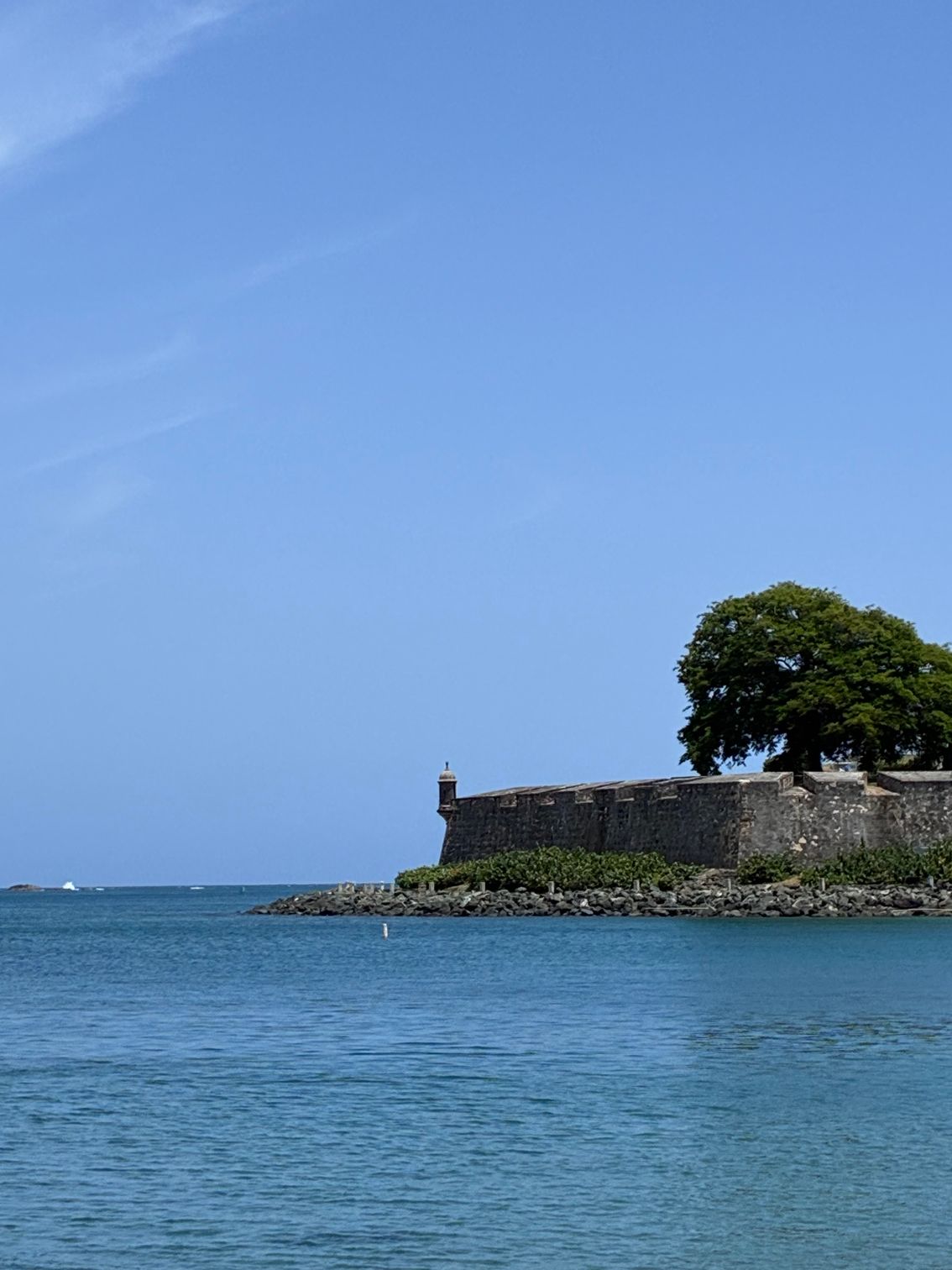
Today we woke up to no water. We couldn’t shower or wash. It’s a stark reminder of what many people in Puerto Rico and in other parts of the world are experiencing where there’s not enough water. Although Puerto Rico seems lush, they’re experiencing a drought and many of the water pipes are so old that they’ve broken. The National Guard has had to come and hand out water to many people here. It makes us realize how much we take fresh water for granted back home. At breakfast we saw Brother Gabriel, a Capuchin monk and our host at the Centro Capuchino. Then we loaded our bags into the vans and headed to San Juan to the Episcopal Cathedral. After attending the 8 a.m. English service, we joined the church community for coffee hour and they taught Father Jon how to make ginger brew—something he looks forward to drinking every time we come to this church. It was meaningful for us to celebrate Eucharist with Episcopalians from other countries. Many of them who attend the English-speaking service are from the West Indies. There used to be 2 English language services at the Cathedral, in addition to the Spanish one. But after Hurricane Maria, so many people left the island that the English-speaking congregation has dwindled and they only have 1 service. It’s shocking how Puerto Rico is still feeling the effects of Hurricane Maria, not just in infrastructure but demographically too. Many of the younger people have left the island and most of the people we help during our service projects are alone and without family here.  After church we went back into Old San Juan for a few hours before our flight home.
By Elys McLean • June 27, 2026
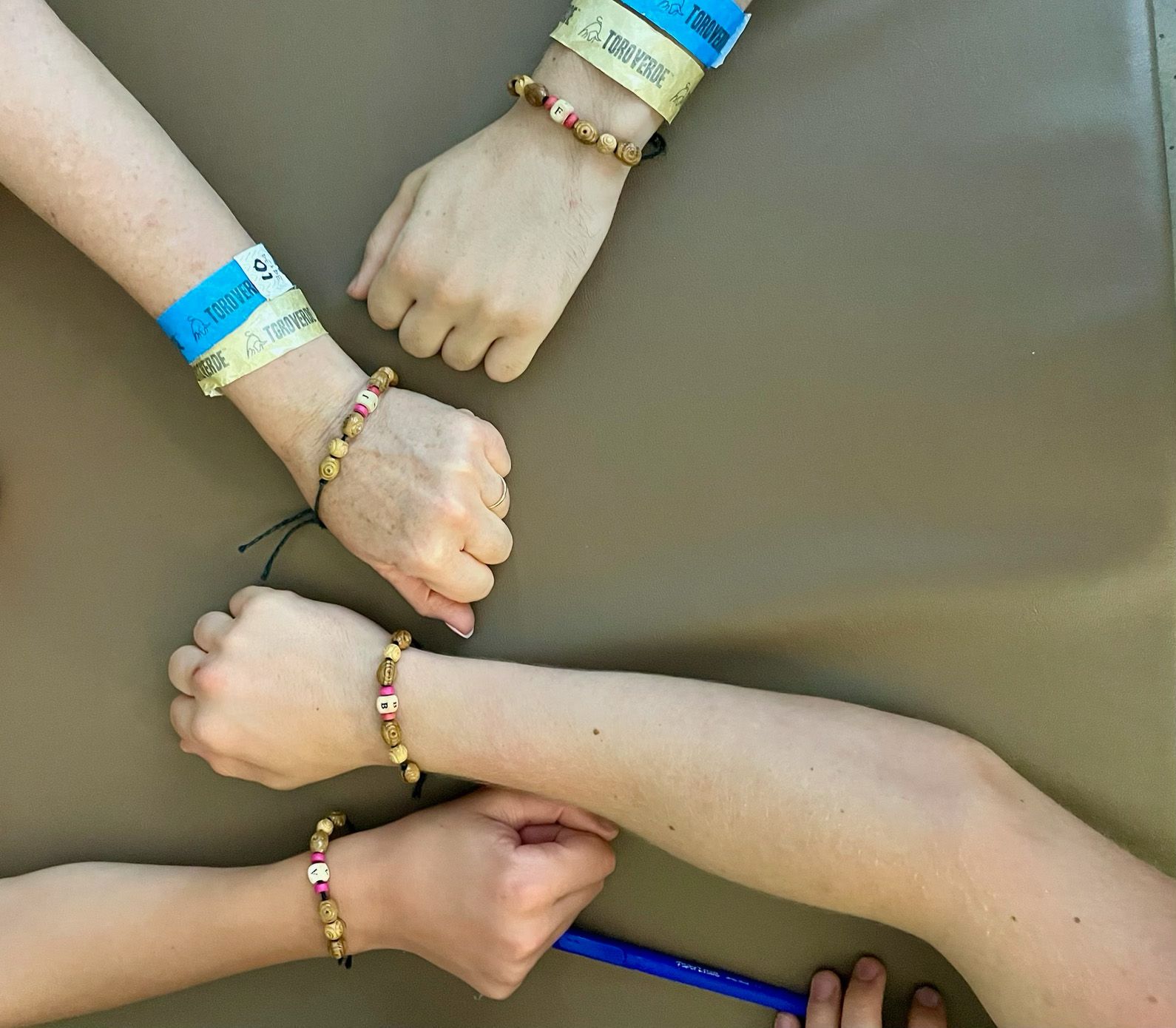
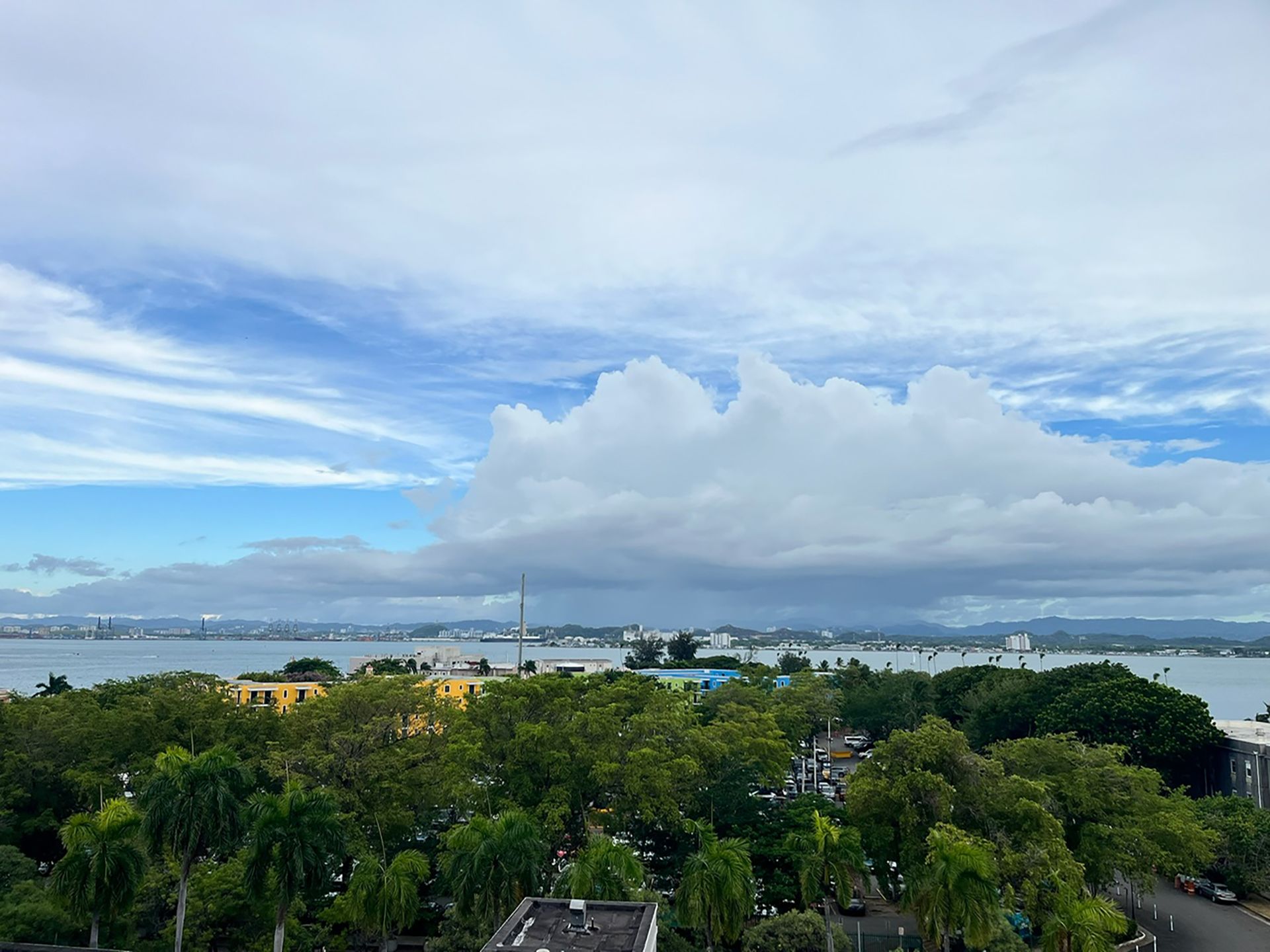
Today we went to Toro Verde, a zip lining course in the jungle. After finishing the course of 7 zip lines we then rode “The Monster”—the longest zip line in the Americas. It’s 2.5 km long (about 28 football fields long) and almost 1250 feet high. You ride in a horizontal position so it feels like you’re flying. The ride takes 2 minutes and you can reach up to 95 mph. Although the thought of going was scary and I was very tempted not to, I’m glad I did. The scenery was stunning and I felt so close to nature, like a bird as I soared over rivers and the jungle below. A good reminder that if we let our fears overtake us and we don’t step out of our comfort zone and take a chance, we can miss out on some of the most beautiful experiences of our lives. After zip lining we went into Old San Juan. We meet Brother Willy, an Episcopal Franciscan, at his church in Old San Juan. It’s beautiful and we enjoyed talking with him about the congregation and how they reach out to sailors—offering services in English every second Tuesday when many ships come into San Juan. After walking around Old San Juan for a bit we had a traditional Puerto Rican dinner of Mufungo and fish at Barrachina, the restaurant that invented the pina colada. We had non-alcoholic pina coladas too—delicious. We finished the day back at the Centro Capuchino with Compline outside.
Show More