South Africa: Day 4

Posted: November 13, 2026

Today was a day devoted to South African history: Johannesburg, Apartheid, the leadership of Nelson Mandela, defining events during the struggle and a side excursion to the South African Supreme Court. Our awesome guide for the day was Nosipho, a fantastic storyteller and a wealth of knowledge about anything and everything South Africa. In this space I will try to not repeat historical facts but rather the experiences we encountered and some observations that may pique your interest.


The day began with a brief discussion of Mandela Square, home to our hotel and a shopping and dining venue. A centerpiece of the square is (literally) a larger-than-life statue of Mandela, a great backdrop for the requisite selfie. Not unlike many places at home, the square is all decked out for Christmas in the middle of November!


Onto the minibus we went, to a Johannesburg site called Constitution Hill: former fort, former prison and current South Africa Supreme Court. Court was not in session but we were treated to a site history and a press box view of the court itself, where eleven justices preside. Much of the courtroom, gallery and the handwoven flag itself contain some kind of symbolic reference to South Africa, from the bricks taken from the old prison to the unique cowhide of the justices’ seating area. Fantastic art enhanced the entire building.


Next stop was the Apartheid museum where one suddenly becomes immersed in the topic: your ticket has randomly assigned you to a white or non- white entrance.


The museum experience began with a history of Johannesburg, followed by a Mandela exhibit. A section of the museum dedicated to Apartheid was next, beginning (and punctuated we all agreed) with a fantastic history lesson provided by our guide Nosipho with her only visual aid being a map of early South Africa. Hopefully you either know the story or through our daily blogs are intrigued to learn more! It is a great museum and, like many museums, cannot be thoroughly experienced in one day, let alone the two hours we were there. Nevertheless, we were moved.


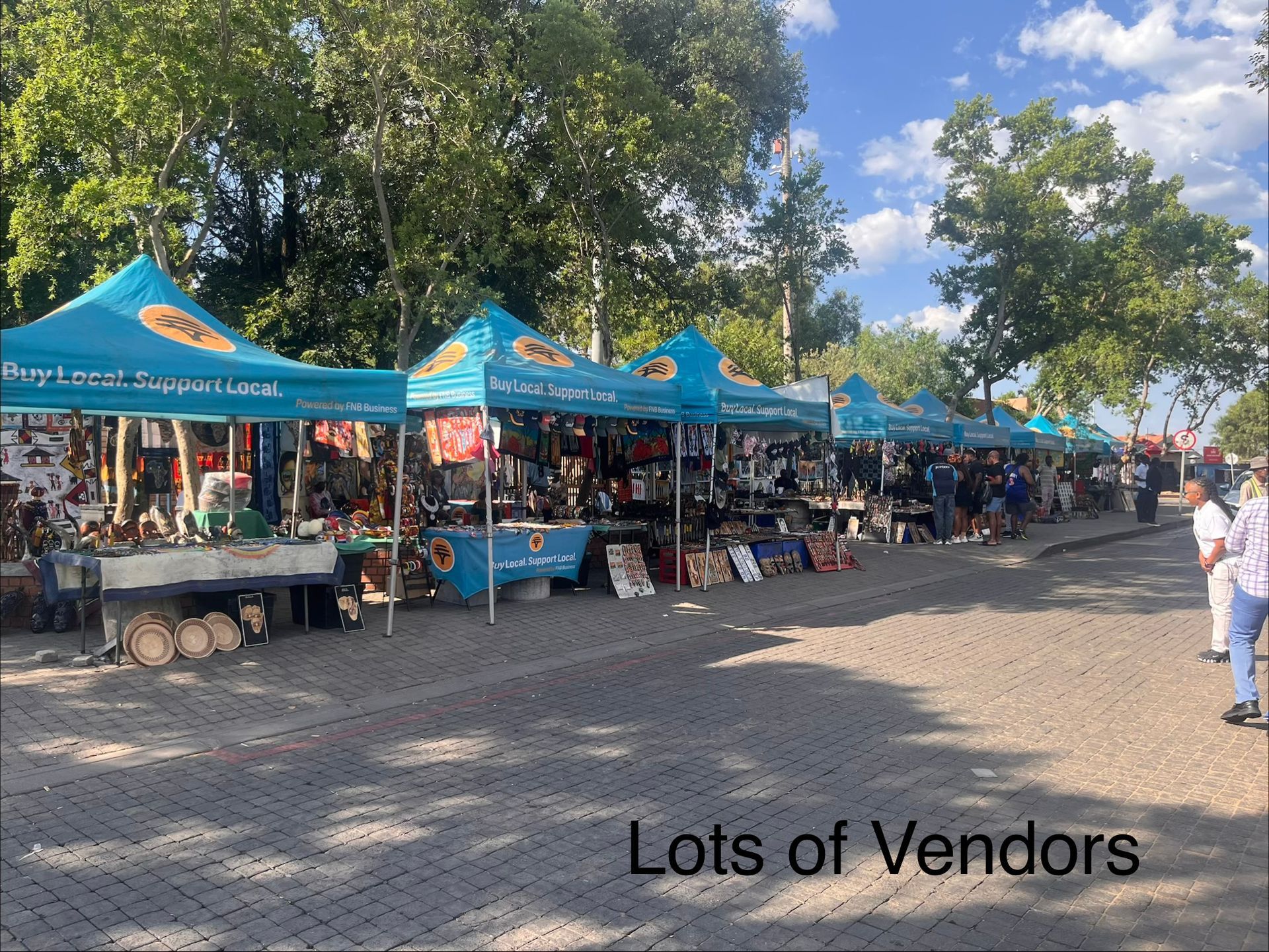
Back on the minibus to the Soweto township, the largest township in the Johannesburg area. We stopped for lunch at a very touristy open-air restaurant where there was no lack of street performers and vendors. The main attraction here was Mandela’s home before he went to prison and where his family lived while he was incarcerated. After his release, he stayed only 11 days before moving.


Last stop for the day was a memorial to the 1976 Soweto uprising and the story of a young Hector Peiterson who was shot during the protest. The photographic images from that day resulted in global outrage towards Apartheid and became yet another turning point in the struggle in that it represented a new generation of protestor and eventually (albeit slowly) led to the demise of the practice.


One cannot help but draw parallels between South Africa’s history and our own history of racial injustice. This pilgrimage seeks to understand not only the what, the why and the how of Apartheid but also the evolution of what happened next. There is much to learn about the latter in the next few days. Tomorrow we continue our journey as we travel to Cape Town.


– Randy McGuire

Continue Exploring Holy Comforter

By Elys McLean • June 29, 2026
We had a wonderful and meaningful mission trip. It really left an impression on the participants—youth and adults. It opened our eyes and hearts to how important it is to serve others and we realize we probably gained more from our experience and growth than those we served.
By Elys McLean • June 28, 2026
Today we woke up to no water. We couldn’t shower or wash. It’s a stark reminder of what many people in Puerto Rico and in other parts of the world are experiencing where there’s not enough water. Although Puerto Rico seems lush, they’re experiencing a drought and many of the water pipes are so old that they’ve broken. The National Guard has had to come and hand out water to many people here. It makes us realize how much we take fresh water for granted back home. At breakfast we saw Brother Gabriel, a Capuchin monk and our host at the Centro Capuchino. Then we loaded our bags into the vans and headed to San Juan to the Episcopal Cathedral. After attending the 8 a.m. English service, we joined the church community for coffee hour and they taught Father Jon how to make ginger brew—something he looks forward to drinking every time we come to this church. It was meaningful for us to celebrate Eucharist with Episcopalians from other countries. Many of them who attend the English-speaking service are from the West Indies. There used to be 2 English language services at the Cathedral, in addition to the Spanish one. But after Hurricane Maria, so many people left the island that the English-speaking congregation has dwindled and they only have 1 service. It’s shocking how Puerto Rico is still feeling the effects of Hurricane Maria, not just in infrastructure but demographically too. Many of the younger people have left the island and most of the people we help during our service projects are alone and without family here.  After church we went back into Old San Juan for a few hours before our flight home.
By Elys McLean • June 27, 2026
Today we went to Toro Verde, a zip lining course in the jungle. After finishing the course of 7 zip lines we then rode “The Monster”—the longest zip line in the Americas. It’s 2.5 km long (about 28 football fields long) and almost 1250 feet high. You ride in a horizontal position so it feels like you’re flying. The ride takes 2 minutes and you can reach up to 95 mph. Although the thought of going was scary and I was very tempted not to, I’m glad I did. The scenery was stunning and I felt so close to nature, like a bird as I soared over rivers and the jungle below. A good reminder that if we let our fears overtake us and we don’t step out of our comfort zone and take a chance, we can miss out on some of the most beautiful experiences of our lives. After zip lining we went into Old San Juan. We meet Brother Willy, an Episcopal Franciscan, at his church in Old San Juan. It’s beautiful and we enjoyed talking with him about the congregation and how they reach out to sailors—offering services in English every second Tuesday when many ships come into San Juan. After walking around Old San Juan for a bit we had a traditional Puerto Rican dinner of Mufungo and fish at Barrachina, the restaurant that invented the pina colada. We had non-alcoholic pina coladas too—delicious. We finished the day back at the Centro Capuchino with Compline outside.
Show More